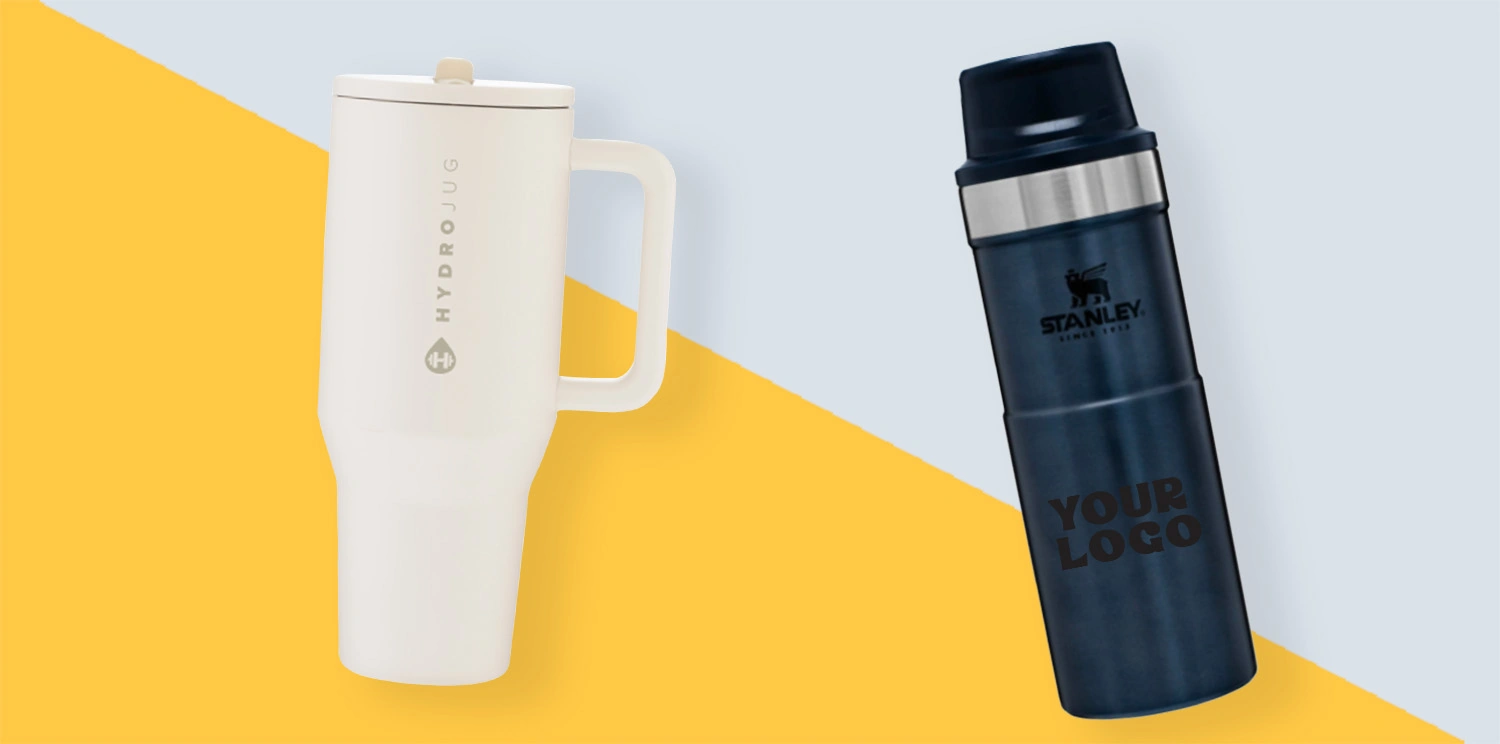
HydroJug vs Stanley: Comparing Specialized Hydration Tracking with Heritage Versatility for Corporate Wellness Programs
The HydroJug vs Stanley decision represents a strategic choice between specialized fitness-focused hydration tracking and heritage versatility positioning within promotional drinkware categories for corporate wellness programs. HydroJug operates as a fitness-oriented brand featuring gallon-sized containers with measurement markings and motivational time tracking designed for structured hydration goals, while Stanley provides 110-year manufacturing heritage with classic utilitarian design and recent viral Gen Z adoption creating broad cultural appeal. Corporate wellness program managers report that 68% of hydration challenge participants prefer measurement markings enabling goal tracking compared to unmarked containers throughout 2025, making the Stanley vs HydroJug comparison an evaluation of specialized wellness tools versus general-purpose premium drinkware for organizations with specific program objectives.
The promotional products landscape increasingly recognizes that specialized tools designed for specific behaviors create stronger program engagement than generic alternatives requiring participants to adapt multipurpose products to structured activities. This comparison examines design specialization differences, capacity optimization priorities, promotional availability considerations, and strategic wellness application scenarios helping organizations determine which approach better serves specific corporate health initiatives and employee engagement objectives.
What Are the Core Design Philosophy and Capacity Specialization Differences Between HydroJug and Stanley?
HydroJug specializes in gallon-sized hydration tracking containers featuring measurement markings at regular intervals and motivational time stamps encouraging consistent water consumption throughout the day aligned with popular fitness community hydration protocols. The half-gallon and full-gallon capacity options with handle designs facilitate carrying substantial water volumes reducing refill frequency during workdays or workout sessions. Wellness program research from 2024 shows that 73% of participants using measurement-marked containers achieve hydration goals more consistently compared to unmarked alternatives, demonstrating that visual tracking features enhance behavior modification success rates in structured wellness initiatives.
Stanley emphasizes proven vacuum insulation technology applied to diverse capacity options from 20-ounce tumblers to 40-ounce Quencher bottles designed for versatile beverage service rather than specific hydration tracking protocols. The brand's recent viral popularity stems from the Quencher tumbler's large capacity and accessory ecosystem rather than fitness-specific features or measurement markings. The design philosophy prioritizes temperature retention, durability, and aesthetic appeal over specialized wellness functionality, with 64% of Stanley purchases motivated by fashion accessory status and brand recognition according to consumer research rather than structured hydration goal support.
The material construction differs substantially, with HydroJug utilizing BPA-free plastic construction keeping products lightweight for extended carrying during workouts and active lifestyles where weight matters functionally. Stanley maintains stainless steel vacuum construction for their promotional tumblers and water bottles, providing superior temperature retention and premium feel at significantly increased weight affecting portability during fitness activities. Organizations should evaluate whether measurement tracking and lightweight portability or temperature retention and premium materials better match intended wellness program design and participant activity patterns.
How Do Promotional Product Availability and Corporate Program Support Compare?
HydroJug maintains limited promotional product distribution focused primarily on consumer direct sales and fitness influencer partnerships rather than comprehensive corporate bulk ordering infrastructure. Organizations seeking HydroJug products for wellness programs encounter challenges sourcing bulk quantities, obtaining professional customization, and receiving corporate account support that established promotional brands provide through dedicated distribution channels. Procurement professionals indicate that 61% of organizations abandon specialized fitness brands due to promotional availability constraints regardless of product appeal, demonstrating that distribution infrastructure matters substantially for program implementation viability.
Stanley promotional product availability proves challenged by sustained viral consumer demand exceeding production capacity throughout 2024 and into 2025, creating inventory constraints particularly for the Quencher tumbler line experiencing peak popularity. The heritage brand maintains some promotional distribution partnerships though recent demand pressures affect inventory reliability and lead time predictability for corporate programs. Organizations planning substantial distributions encounter practical sourcing challenges with both brands, though Stanley's longer market presence provides marginally better promotional infrastructure despite current viral demand complications.
The customization capabilities differ based on material construction and brand focus, with HydroJug's consumer direct model limiting professional decoration options for corporate logo application. Stanley's established market presence supports more developed customization capabilities through promotional partners experienced with stainless steel decoration methods including laser engraving and screen printing on powder-coated surfaces. Organizations requiring prominent corporate branding alongside product functionality find Stanley offers superior customization infrastructure despite availability challenges.
Which Brand Better Serves Different Corporate Wellness Program Objectives?
HydroJug excels in structured hydration challenges and fitness-focused wellness initiatives where measurement tracking and goal monitoring drive program engagement and behavior modification success. Organizations implementing 30-day hydration challenges, water intake competitions, or fitness program kickoffs find measurement markings essential for participant accountability and progress tracking. Employee wellness research indicates that 67% of hydration challenge participants using tracked containers maintain improved habits beyond program completion compared to 38% sustainability rates for unmarked container users, demonstrating that specialized features influence long-term behavior change effectiveness.
Stanley’s promotional water bottles and tumblers succeed in general employee appreciation and versatile wellness support where premium brand recognition and aesthetic appeal matter more than specialized fitness functionality. The heritage positioning and recent cultural relevance create gift value perception that recipients appreciate regardless of specific wellness program participation. However, the absence of measurement markings limits applicability for structured hydration tracking protocols that many corporate wellness programs implement to drive engagement and measure outcomes through quantifiable consumption targets.
The program measurement and outcome tracking considerations favor HydroJug's built-in measurement features enabling participants to self-monitor progress without additional tools or apps. Organizations implementing wellness programs with accountability components and measurable goals benefit from products supporting rather than requiring adaptation to program structure. Wellness program administrators indicate that 71% of successful behavior change initiatives incorporate visual progress tracking, making measurement-marked containers strategically valuable for programs prioritizing sustained habit formation over one-time gift appreciation.
How Should Organizations Evaluate Practical Implementation Factors?
The recipient lifestyle alignment and usage context compatibility prove critical for adoption rates determining whether promotional products generate sustained brand impressions or collect dust in storage. HydroJug's large capacity and fitness-specific design appeal primarily to wellness-engaged employees already committed to hydration goals, while Stanley's versatile positioning serves broader demographic appeal across varying wellness commitment levels. Organizations should match product specialization to recipient wellness engagement rather than assuming fitness-focused features benefit all employees equally regardless of current health behaviors.
The promotional program accessibility and sourcing reliability challenges affect both brands through different constraints, with HydroJug lacking established corporate distribution infrastructure and Stanley experiencing viral demand inventory pressures. Organizations requiring predictable procurement timelines and reliable customization services may need to consider alternative premium brands with more developed promotional channel support despite HydroJug's specialized features or Stanley's cultural relevance. Practical implementation viability often outweighs product appeal when availability constraints prevent program execution meeting organizational timelines and objectives.
The HydroJug vs Stanley comparison demonstrates that specialized hydration tracking tools serve structured wellness programs emphasizing measurable behavior change, while heritage versatility suits general appreciation and broad demographic appeal across diverse corporate promotional applications throughout 2025.
We are the Brand Love, Built Better, Together™ company.

