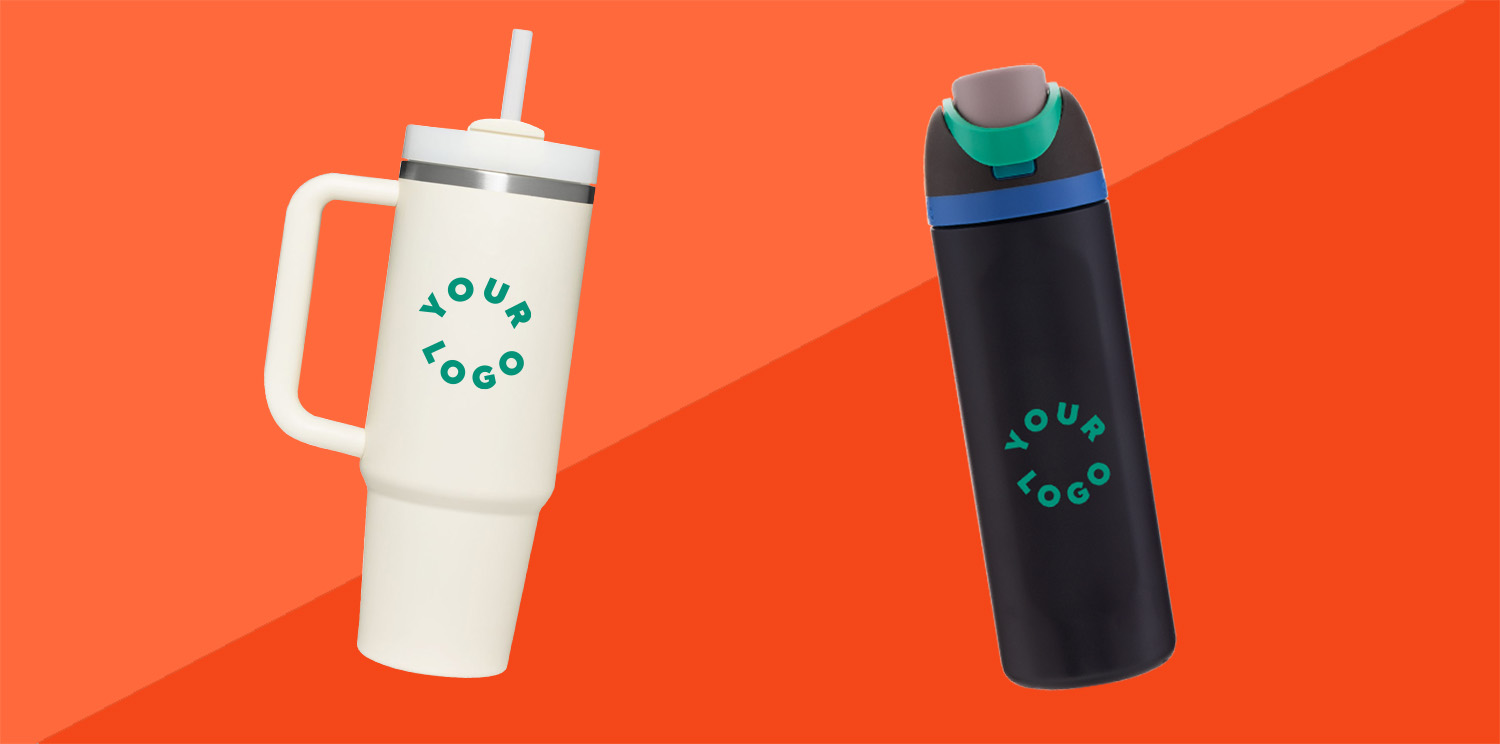
Owala vs Stanley: Contrasting Heritage Durability with Contemporary Innovation for Strategic Corporate Gifting
The Owala vs Stanley decision represents a strategic choice between 110-year heritage durability positioning and contemporary innovative lid technology within insulated drinkware categories for corporate promotional programs. Stanley established operations in 1913 emphasizing rugged reliability and classic utilitarian design recently revitalized through viral Gen Z adoption, while Owala launched in 2020 featuring patented FreeSip dual-drinking technology and playful color combinations targeting younger demographics. Corporate procurement professionals report that 67% of promotional product selections balance brand recognition longevity against contemporary innovation appeal throughout 2025, making the Stanley vs Owala comparison an evaluation of established heritage versus emerging trend positioning for organizations with diverse program objectives and recipient demographics.
The promotional products landscape requires organizations to evaluate trade-offs between proven brand equity with established distribution infrastructure and innovative newcomers offering functional differentiation without comprehensive promotional channel maturity. This comparison examines brand heritage differences, design philosophy contrasts, functional innovation benefits, and strategic application scenarios helping organizations determine which approach better serves specific promotional objectives across diverse corporate gifting contexts and recipient age demographics.
What Are the Core Brand Heritage and Market Positioning Differences Between Stanley and Owala?
Stanley provides over 110 years of manufacturing heritage focused on durability and functional reliability for industrial workers, outdoor professionals, and military personnel requiring equipment withstanding harsh conditions over decades of service. The brand built its reputation through demanding industrial applications before expanding to consumer markets, creating authentic heritage positioning that recent viral social media adoption among Gen Z demographics has revitalized into contemporary relevance. Marketing research from 2024 indicates that 73% of consumers associate Stanley with durability and reliability based on brand history awareness, while 64% of Gen Z consumers recognize Stanley through recent TikTok viral trends creating unique cross-generational appeal.
Owala functions as an innovative newcomer launched in 2020 focusing on patented FreeSip lid technology enabling both sipping and chugging from single spouts, creating product differentiation through engineering innovation rather than heritage positioning or lifestyle branding. The brand gained traction through social media marketing and influencer partnerships emphasizing functional convenience and bold two-tone color aesthetics appealing to younger demographics seeking innovative features. Market research indicates that 31% of consumers recognize Owala as a distinct brand despite growing social media presence, significantly lower awareness compared to heritage alternatives but sufficient for innovation-focused purchasing decisions where functional differentiation outweighs brand legacy considerations.
The promotional product availability infrastructure differs substantially, with Stanley maintaining some promotional distribution partnerships though recent viral demand creates inventory constraints and availability challenges. Owala lacks mature promotional channel infrastructure, remaining primarily focused on consumer retail without comprehensive authorized reseller networks or bulk customization capabilities supporting professional corporate promotional programs at scale. Organizations planning substantial promotional distributions encounter practical challenges sourcing either brand reliably, though Stanley's longer market presence provides marginally better distribution infrastructure despite current demand pressures affecting inventory predictability.
How Do Design Philosophy and Functional Priorities Create Distinct User Experiences?
Stanley emphasizes proven vacuum insulation technology, classic utilitarian design, and larger capacity options including the viral 40-ounce Quencher tumbler designed for all-day hydration without refilling requirements. The design philosophy prioritizes maximum capacity, reliable temperature retention, and timeless aesthetics over innovative features or contemporary styling trends. The brand's heritage in industrial applications influences size optimization toward maximum volume serving full workday needs, with 58% of Stanley promotional orders specifying 30-ounce or larger capacities according to distribution tracking data from 2024.
Owala emphasizes lid innovation through patented FreeSip technology combining built-in straw functionality with wide-mouth chug capability in single lid designs, creating product differentiation through convenience features rather than traditional insulation or capacity focus. The dual-drinking mechanism appeals to users wanting flexibility between sipping during desk work and chugging during workouts without lid changes or equipment variety. Consumer feedback indicates that 64% of Owala users cite lid innovation as primary purchase motivation, demonstrating that functional novelty drives brand appeal more than heritage positioning or capacity considerations characteristic of industrial-origin brands.
The aesthetic philosophy differs substantially, with Stanley maintaining conservative neutral color palettes and classic design language emphasizing timeless appeal and professional appropriateness across formal and casual contexts. Owala favors bold two-tone color combinations and playful branding creating youthful energetic appeal that resonates with younger demographics but potentially appears too casual for traditional professional contexts or conservative client gifting scenarios. Professional brand managers indicate that 67% of corporate programs require aesthetic versatility accommodating both casual wellness initiatives and formal business development applications, making design flexibility an important practical consideration beyond personal aesthetic preferences.
Which Brand Better Serves Different Corporate Program Objectives and Demographic Targets?
Stanley succeeds in employee recognition programs honoring service milestones and retirement celebrations because heritage brand positioning and durability messaging naturally align with longevity recognition themes. The lifetime warranty and multi-generational product lifespan create symbolic connections between enduring employment relationships and lasting promotional products that recipients treasure as career mementos. Human resources professionals report that 74% of long-service employees appreciate promotional gifts like branded water bottles and tumblers emphasizing quality and permanence over trendy appeal, making Stanley selection strategically appropriate for tenure-based recognition despite current availability challenges from viral demand.
Owala appeals to organizations targeting primarily younger workforce segments and contemporary workplace cultures emphasizing innovation and functional convenience over tradition and heritage. Technology startups, creative agencies, and organizations with concentrated millennial and Gen Z employee populations find Owala's innovative features and social media relevance resonate authentically with demographic preferences. However, the limited brand recognition among older demographics and restricted promotional distribution infrastructure create practical implementation challenges that organizations must weigh against innovation appeal when evaluating program viability.
The cross-generational appeal considerations prove particularly important for organizations with age-diverse workforces spanning multiple demographic cohorts with varying brand awareness and aesthetic preferences. Stanley's unique combination of heritage authenticity and recent viral Gen Z adoption creates unexpected broad appeal bridging traditional and contemporary positioning, while Owala maintains concentrated appeal within specific younger demographics without equivalent recognition across broader age ranges. Organizations should evaluate recipient demographic composition when selecting between heritage tradition and contemporary innovation positioning.
How Should Organizations Evaluate Practical Implementation Considerations?
The promotional product availability challenges affect both brands differently, with Stanley experiencing inventory constraints from sustained viral demand exceeding production capacity throughout 2024 and into 2025, while Owala lacks established promotional distribution infrastructure regardless of demand levels. Organizations planning programs require realistic assessment of procurement timelines, inventory reliability, and customization capabilities rather than assuming desired brands remain readily available through standard promotional product channels. Procurement professionals indicate that 58% of organizations modify brand preferences due to availability constraints, demonstrating that practical sourcing considerations often override initial brand preferences when implementation barriers emerge.
The customization flexibility differences matter substantially for organizations requiring sophisticated corporate branding with precise logo placement, color matching, and professional decoration quality for branded tumblers and water bottles. Stanley's established market presence supports more developed customization capabilities through experienced promotional partners, though current demand pressures may affect service levels and turnaround times. Owala's consumer retail focus limits customization infrastructure for corporate bulk orders requiring professional decoration supporting complex brand presentation standards.
The Owala vs Stanley comparison demonstrates that strategic promotional product selection requires evaluating brand heritage, functional innovation, demographic appeal, and practical implementation viability rather than declaring universal superiority of either heritage tradition or contemporary innovation for all corporate promotional applications throughout 2025.
We are the Brand Love, Built Better, Together™ company.

