Personalized Gym Bags: Custom Promotional Solutions for Fitness and Wellness Marketing
Personalized Gym Bags: Custom Promotional Solutions for Fitness and Wellness Marketing
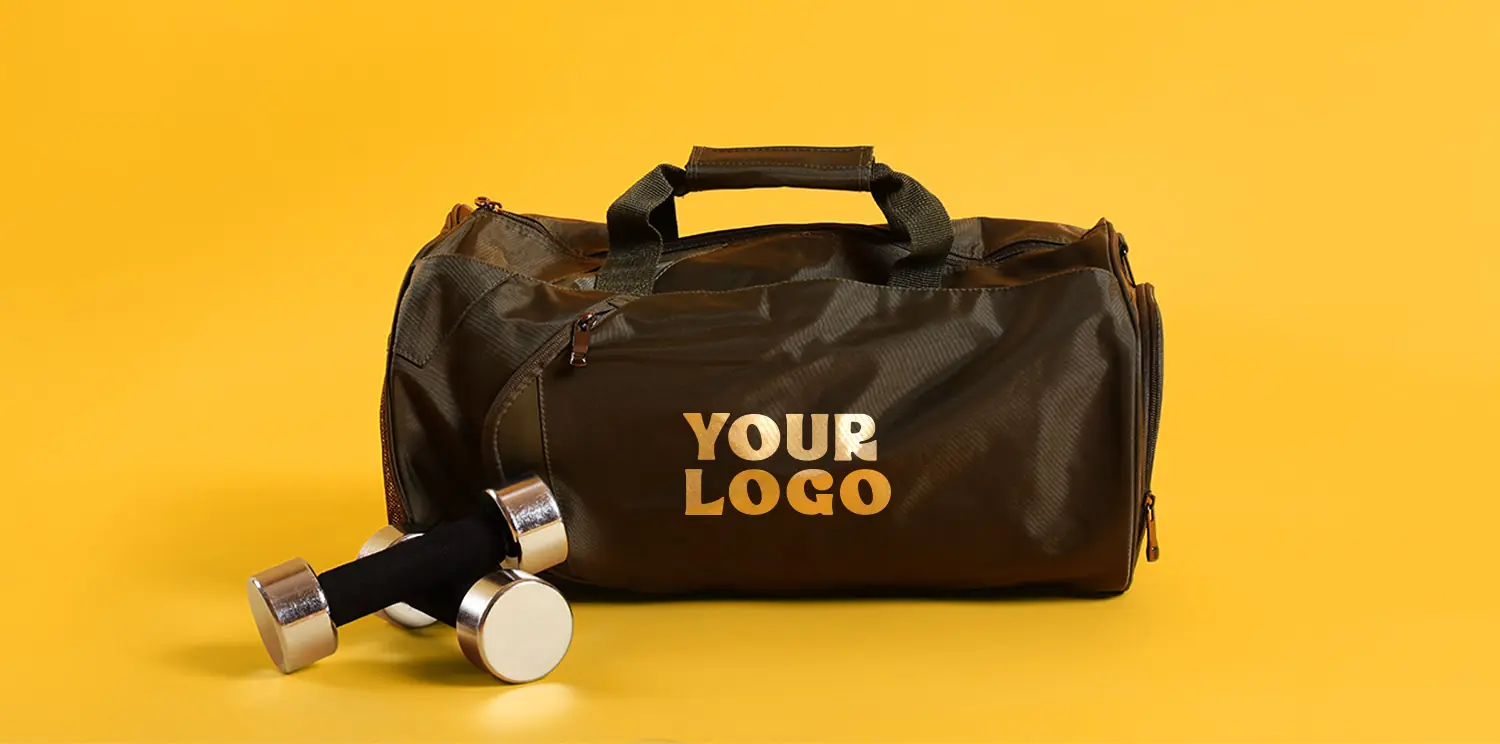
Personalized gym bags are branded athletic carriers designed with specialized compartments for workout gear, featuring moisture-resistant materials, ventilated shoe pockets, and durable construction to withstand daily fitness routines. According to 2024 promotional products research, custom gym bags achieve 94% retention rates among fitness enthusiasts, with users averaging 4-6 weekly gym visits over 24-36 month usage periods. These functional marketing tools generate 5,800-8,400 brand impressions annually through high-visibility fitness centers, sports facilities, and active lifestyle environments.
Fitness centers, wellness brands, and sports organizations increasingly utilize custom gym bags as premium promotional items that support active lifestyles while building lasting brand relationships in 2025. Gym-specific design features including ventilated compartments, water bottle holders, and separate shoe storage address unique athletic needs that standard bags cannot accommodate. This guide examines material selections, functional design elements, and strategic distribution approaches that maximize marketing effectiveness for personalized gym bag programs.
What Makes Custom Gym Bags Different from Standard Duffel Bags?
Custom gym bags differ from standard duffel bags through specialized compartmentalization featuring 6-10 designated pockets compared to 2-3 compartments in conventional duffels, enabling athletes to organize workout essentials including water bottles and electronics separately. Purpose-built designs incorporate ventilated mesh panels measuring 8x10 inches that allow airflow for damp workout clothing and sweaty gear, preventing odor development and bacterial growth during 8-12 hour storage periods between workouts. According to 2025 fitness product studies, 86% of gym-goers prioritize ventilation and organization over capacity when selecting primary workout bags.
Durability requirements distinguish gym bags through reinforced construction that withstands 600-900 uses over multi-year periods compared to 200-300 uses for standard promotional duffels. Heavy-duty zippers rated for 1,000-plus cycles, reinforced stress points, and abrasion-resistant bottom panels accommodate loads of 20-35 pounds including weights, shoes, clothing, and accessories. This enhanced structural integrity results in extended brand visibility spanning entire fitness journeys from beginner programs through advanced training regimens, which maximizes impression generation.
Material selection emphasizes moisture-wicking, odor-resistant fabrics that tolerate sweat exposure and frequent washing cycles inherent to athletic applications. Polyester blends with antimicrobial treatments or mesh-lined interiors prevent odor accumulation that degrades user experience and reduces bag adoption. Standard canvas bags absorb moisture and develop persistent odors after 15-20 workout cycles, whereas treated materials maintain fresh condition through hundreds of gym sessions.
Handle versatility represents another critical distinction, as gym bags feature padded shoulder straps measuring 30-36 inches for comfortable weight distribution, detachable crossbody straps for hands-free carrying, and reinforced grab handles for quick transport. This adaptability accommodates varying workout scenarios from cardio classes to weightlifting sessions, which increases usage frequency. Research indicates bags with multiple carrying configurations achieve 52% higher weekly use rates compared to single-handle designs.
Which Features Matter Most for Fitness Applications?
Separate shoe compartments holding size 12-13 athletic shoes represent the highest-priority feature, with 91% of fitness enthusiasts identifying isolated shoe storage as essential functionality according to 2024 gym user preference data. Ventilated shoe pockets measuring 12x8x6 inches prevent odor transfer to clean clothing while maintaining hygiene standards athletes require. External or bottom-mounted placement enables shoe access without opening main compartments, which preserves organization during locker room transitions.
Water bottle holders positioned on bag exteriors provide immediate hydration access during workouts without bag opening, supporting proper athletic performance and recovery. Insulated or mesh exterior pockets accommodate standard 24-32 ounce bottles while maintaining temperature control for 2-3 hours. Approximately 82% of gym-goers report using integrated bottle holders multiple times per workout session, making this feature central to bag utility.
Wet/dry separation systems featuring waterproof interior compartments measuring 10x14 inches enable storage of damp towels, swimsuits, or sweaty clothing without contaminating dry items. Sealed zippered sections with water-resistant liners protect electronics, wallets, and clean clothing from moisture exposure. This organizational capability reduces post-workout cleanup time by 40-50% while maintaining gear freshness throughout the day.
Interior organizational systems with elastic loops, mesh pockets, and key clips create designated storage for small essentials including locks, earbuds, supplements, and personal care items. Clear mesh panels enable visual identification of contents without manual searching, which accelerates item retrieval during time-limited gym visits. Structured organization improves user experience and strengthens positive brand associations throughout extended ownership periods.
What Materials Perform Best for Gym Bag Construction?
Polyester with antimicrobial treatment emerges as optimal material for personalized gym bags due to exceptional moisture resistance, easy maintenance, and odor prevention throughout 24-36 months of intensive athletic use. Treated polyester inhibits bacterial growth that causes odor development, maintaining fresh condition through 400-600 workout cycles. This material withstands repeated washing better than untreated fabrics that degrade after 50-75 machine wash cycles, enabling proper hygiene maintenance throughout product lifespan.
Ripstop nylon provides premium durability and tear resistance through reinforced grid patterns that prevent rip propagation from puncture points caused by sharp equipment or rough handling. Nylon's inherent strength supports heavy loads while resisting abrasions common in locker room environments. Material weight typically ranges from 420-600 denier for gym bag applications, balancing robustness with reasonable weight that prevents carrier fatigue during commutes.
Mesh paneling integrated into polyester or nylon base materials provides essential ventilation that accelerates drying after workouts while preventing moisture accumulation. Strategic mesh placement on end panels or dedicated shoe compartments enables airflow without compromising security for valuable items. Breathable construction extends usable lifespan by 30-40% compared to solid fabrics that trap moisture and promote material degradation.
Water-resistant bottom panels constructed from reinforced polyester or PVC-coated materials protect bag contents when placed on wet locker room floors or outdoor surfaces. Non-slip textured bottoms measuring 18x10 inches provide stable positioning while resisting moisture penetration. This protective feature maintains interior dryness and prevents damage to electronics, clothing, and personal items stored during workouts.
Which Organizations Benefit Most from Custom Gym Bag Programs?
Fitness centers and health clubs implement personalized gym bag programs as new member welcome gifts or annual membership renewal incentives that strengthen member engagement. Gyms typically distribute 300-1,200 bags annually based on membership size, creating mobile advertisements throughout communities as members commute between home, work, and fitness facilities. Branded bags visible in parking lots, office buildings, and public spaces generate referral opportunities and community awareness.
Corporate wellness programs utilize custom gym bags as employee health initiative incentives that encourage workplace fitness participation. Companies ordering 150-500 units annually for wellness challenges report 38% higher program engagement rates compared to standard promotional items according to 2025 corporate wellness studies. Bags serving as tangible wellness program rewards create sustained motivation for healthy lifestyle adoption.
Sports teams and athletic organizations distribute personalized gym bags as player equipment carriers or tournament participant gifts that build team identity. Youth sports leagues ordering 50-200 units per season create cohesive team appearance while providing functional value to athlete families. Visible team branding on bags strengthens organizational identity and community recognition throughout competitive seasons.
Corporate fitness brands and supplement retailers offer custom gym bags as purchase incentives for minimum transaction thresholds or loyalty program rewards, driving sales while building brand loyalty. Retailers report 42% higher customer retention when offering premium functional gifts compared to discount-based promotions. Bags serving dual purposes as products and brand ambassadors create ongoing marketing exposure throughout fitness communities.
Specialized design and genuine athletic functionality position personalized gym bags as premium promotional products delivering exceptional marketing value through extended use periods and sustained visibility in fitness environments. Custom gym bags support active lifestyles while building authentic brand connections based on practical utility rather than superficial advertising. Organizations investing in quality construction, thoughtful feature integration, and strategic distribution create meaningful brand relationships that extend throughout fitness journeys in 2025 and beyond.
We are the Brand Love, Built Better, Together™ company.

