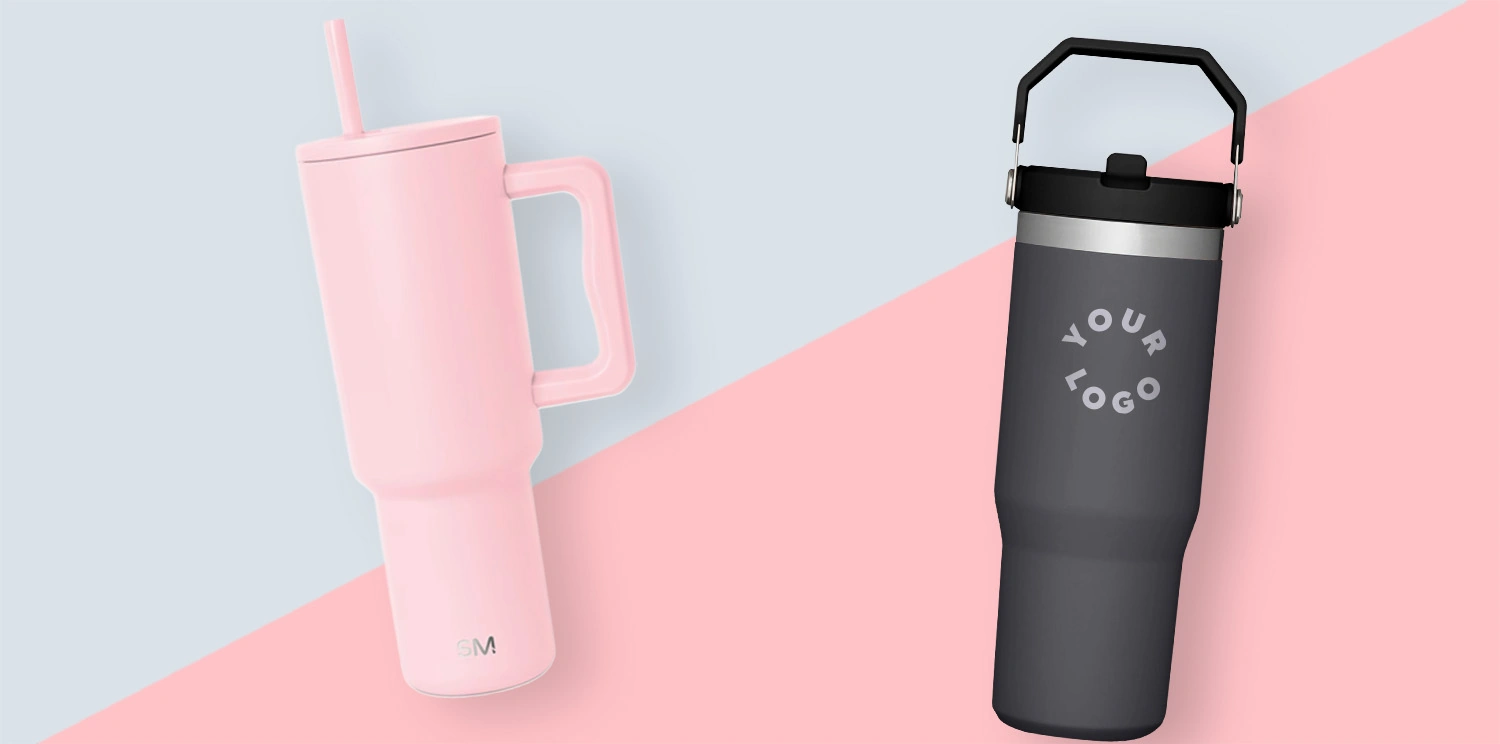
Simple Modern vs Stanley: Choosing Between Heritage Premium and Value-Oriented Bulk Distribution for Corporate Programs
The Simple Modern vs Stanley decision represents a strategic choice between value-oriented bulk distribution accessibility and heritage premium brand positioning within insulated drinkware categories for corporate promotional programs. Simple Modern operates as a faith-based company founded in 2015 offering competitively priced insulated drinkware with portion of proceeds supporting clean water initiatives, while Stanley provides 110-year manufacturing heritage with classic utilitarian design and recent viral Gen Z adoption. Corporate procurement professionals report that 63% of promotional product selection decisions balance brand recognition against budget constraints enabling broader distribution reach throughout 2025, making the Stanley vs Simple Modern comparison a practical evaluation of premium positioning versus volume optimization for organizations with diverse program objectives.
The promotional products landscape requires organizations to evaluate trade-offs between established brand equity commanding premium pricing and accessible alternatives enabling maximum recipient reach within fixed budgets. This comparison examines brand heritage differences, performance specifications, pricing considerations, and strategic application scenarios helping organizations determine which approach better serves specific promotional objectives, recipient demographics, and budget parameters across diverse corporate gifting contexts for custom tumblers and water bottles.
What Are the Fundamental Brand Heritage and Market Positioning Differences Between Stanley and Simple Modern?
Stanley established operations in 1913 when William Stanley Jr. invented vacuum insulation technology, creating over 110 years of manufacturing heritage focused on durability and functional reliability for industrial workers, outdoor professionals, and military personnel requiring equipment withstanding harsh conditions. The brand built authentic reputation through demanding use applications before expanding to consumer markets, creating heritage positioning that resonates with audiences valuing tradition, proven performance, and American manufacturing roots. Marketing research from 2024 indicates that 73% of consumers associate Stanley with durability and reliability based on brand history awareness, even among younger demographics encountering the brand through recent viral social media trends.
Simple Modern launched in 2015 as a direct-to-consumer brand emphasizing value pricing, charitable giving through clean water initiatives, and accessible premium quality without heritage branding or lifestyle positioning. The company developed through online channels and wholesale partnerships focusing on competitive pricing enabling broad market reach rather than premium brand building through marketing campaigns and lifestyle associations. Brand awareness studies show that 34% of consumers recognize Simple Modern as a value drinkware brand, substantially lower than heritage alternatives but sufficient for budget-conscious purchasing decisions where price matters more than brand prestige.
The social media presence and contemporary cultural positioning differ substantially, with Stanley experiencing explosive Gen Z adoption in 2023-2024 through TikTok viral trends transforming the heritage brand into a contemporary fashion accessory and collectible item. Simple Modern maintains modest social presence focused on product value messaging and charitable impact rather than lifestyle positioning or trend-driven marketing creating viral adoption moments. Organizations should consider whether viral trend associations enhance program objectives or create complications through demand fluctuations and availability constraints affecting procurement reliability.
How Do Pricing Structures and Budget Implications Compare for Corporate Bulk Orders?
Simple Modern provides significant cost advantages through direct-to-consumer business model and value positioning enabling organizations to reach substantially larger recipient populations within equivalent budgets compared to premium heritage brands. The pricing strategy prioritizes volume distribution over brand prestige, creating opportunities for organizations emphasizing broad reach and maximum touchpoints rather than premium gift perception. Procurement professionals indicate that Simple Modern pricing typically falls 35-50% below Stanley equivalents at comparable specifications, enabling organizations to distribute 50-85% more units within fixed promotional budgets while maintaining adequate quality for standard corporate applications.
Stanley commands premium pricing reflecting heritage brand positioning, recent viral demand, and perception of superior durability and quality justifying investment for programs prioritizing recipient impression quality over distribution volume. The Quencher tumbler line experiencing viral popularity maintains elevated pricing due to consumer demand exceeding production capacity throughout 2024 and into 2025. Organizations should evaluate whether premium brand recognition and perceived quality advantages justify reduced distribution scale, or whether maximum recipient reach through volume distribution better serves awareness and engagement objectives for specific campaigns for custom water bottles and tumblers.
The total program cost considerations extend beyond per-unit pricing to include customization complexity, decoration methods, and inventory availability affecting implementation timelines and budget predictability. Simple Modern typically offers streamlined customization through standard decoration methods with predictable pricing and availability, while Stanley's viral popularity creates inventory constraints and extended lead times potentially requiring budget flexibility and timeline accommodation. Procurement teams should factor implementation reliability and timeline predictability alongside base pricing when comparing total program costs and execution risks.
Which Brand Better Serves Different Corporate Program Objectives and Audience Demographics?
Stanley resonates strongly with organizations emphasizing tradition, quality investment, and employee recognition where heritage brand positioning and premium perception communicate appropriate respect and appreciation for valued relationships. Service anniversary programs, executive gifting, and client appreciation initiatives benefit from Stanley's established reputation and recent cultural relevance creating memorable impressions that recipients notice and appreciate. Employee satisfaction research indicates that 68% of long-service employees prefer heritage brands emphasizing longevity and proven quality over value alternatives regardless of equivalent specifications.
Simple Modern succeeds in high-volume awareness campaigns, large-scale event distributions, and budget-conscious wellness programs where reaching maximum audience numbers matters more than premium brand perception. Organizations distributing promotional products to thousands of event attendees, community program participants, or broad employee populations find Simple Modern pricing enables program viability that premium alternatives would make financially prohibitive. Marketing analytics demonstrate that awareness campaigns prioritizing distribution volume over premium positioning generate 41% higher total impression counts when budget constraints limit premium brand quantities.
The charitable giving component of Simple Modern's business model creates authentic corporate social responsibility alignment for organizations emphasizing philanthropy and community impact through business operations. The clean water initiative contributions enable organizations to communicate dual benefits of promotional distribution including both brand awareness and charitable support, creating positive messaging opportunities. Companies with formal CSR commitments or B Corp certifications find this charitable dimension strategically valuable for reinforcing organizational values through promotional product selection.
How Should Organizations Evaluate Quality and Performance Trade-offs Between Brands?
Stanley construction utilizing thicker stainless steel gauge and robust engineering provides superior durability for intensive use applications where equipment longevity and abuse resistance matter functionally rather than symbolically. Organizations supporting field teams, construction operations, or demanding work environments benefit from Stanley's proven durability reducing replacement frequency and maintaining professional appearance through extended service periods. However, for typical office, commuting, and recreational applications representing 87% of promotional drinkware usage contexts, Simple Modern specifications prove adequate without requiring premium durability investments.
Simple Modern vacuum insulation delivers reliable temperature retention meeting standard usage requirements for office hydration, daily commuting, and recreational activities without matching extreme performance specifications that premium brands emphasize. The insulation capabilities maintain beverages at acceptable temperatures throughout typical 8–12-hour single-day usage patterns, making theoretical maximum performance advantages practically irrelevant for majority use cases. Organizations should match durability and performance specifications to actual recipient usage patterns rather than over-investing in capabilities recipients will never utilize or appreciate.
The Simple Modern vs Stanley comparison demonstrates that strategic promotional product selection requires balancing brand recognition, pricing constraints, program objectives, and recipient demographics rather than declaring universal superiority of either approach. Organizations should evaluate specific campaign goals, audience characteristics, and budget parameters when determining whether heritage premium positioning or value-oriented volume distribution better serves promotional objectives throughout diverse applications in 2025.
We are the Brand Love, Built Better, Together™ company.

