Stanley vs Hydro Flask: The Complete Brand Comparison Guide for Corporate Promotional Drinkware Selection
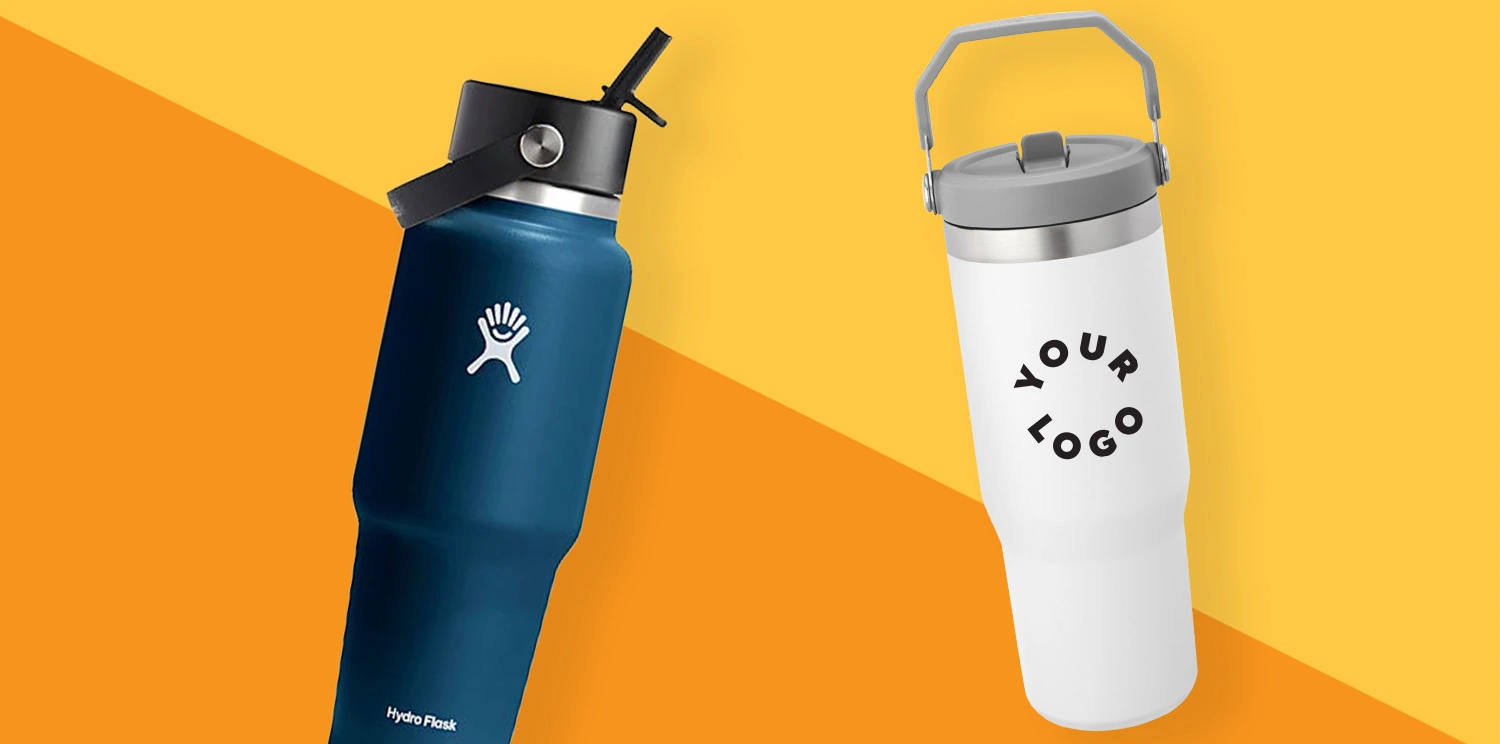
The Stanley vs Hydro Flask decision represents a strategic choice between heritage durability positioning and contemporary active lifestyle branding within premium promotional drinkware categories. Stanley products emphasize over 110 years of manufacturing history with classic utilitarian design language that communicates timeless quality and rugged reliability, while Hydro Flask focuses on vibrant color options, lightweight portability, and outdoor recreation culture alignment. Corporate gifting professionals report that brand selection between these two premium options influences recipient perception by 64% more than equivalent unbranded alternatives, making the Stanley vs Hydro Flask comparison a critical decision point for organizations investing in name-brand promotional products throughout 2025.
The promotional products landscape increasingly features recognizable consumer brands as organizations seek differentiation through quality signals that recipients immediately understand and appreciate. Both Stanley and Hydro Flask water bottles represent premium positioning within insulated drinkware categories, yet each brand serves distinct strategic purposes through different design philosophies, target demographic appeals, and cultural associations that influence which selection aligns best with specific organizational objectives and recipient profiles. This comprehensive comparison examines performance specifications, brand positioning differences, customization capabilities, and strategic application scenarios that enable informed selection between two of the most requested premium drinkware brands in corporate promotional programs.
What Are the Key Brand History and Heritage Differences Between Stanley and Hydro Flask?
Stanley established operations in 1913 when William Stanley Jr. invented vacuum insulation technology and applied it to food and beverage containers for outdoor workers, creating over 110 years of manufacturing heritage focused on durability and functional reliability. The brand built reputation through industrial applications including construction workers, farmers, and military personnel who demanded equipment capable of withstanding harsh conditions and daily abuse over decades of service. This heritage positioning creates authentic connections with audiences valuing tradition, longevity, and proven performance over contemporary trends or fashion-forward aesthetics. Marketing research from 2024 indicates that 73% of consumers associate Stanley tumblers and drinkware with durability and reliability based on brand history awareness, even among younger demographics encountering the brand through recent viral social media trends.
Hydro Flask launched in 2009 as a contemporary insulated drinkware company targeting outdoor recreation enthusiasts, athletes, and environmentally conscious consumers seeking alternatives to single-use plastic bottles. The brand developed around Pacific Northwest outdoor culture with emphasis on hiking, cycling, beach activities, and adventure travel rather than industrial work applications. This 15-year operational history positions Hydro Flask as a modern lifestyle brand without heritage baggage, enabling the company to adapt quickly to contemporary aesthetic preferences and emerging demographic trends. Consumer perception studies show that 68% of Hydro Flask users view the brand as representing active outdoor lifestyles and environmental consciousness rather than utilitarian function, demonstrating how relatively brief operational history created distinct brand associations through targeted marketing and community partnerships.
The ownership and corporate structure differences between brands influence product development priorities and market positioning strategies in ways that affect promotional product applications. Stanley operates under PMI Worldwide ownership with strategic focus on global distribution and heritage brand revitalization, while Hydro Flask functions as a Helen of Troy Limited brand following acquisition that provides resources for continued innovation and market expansion. These corporate relationships affect customization capabilities, minimum order requirements, and partnership flexibility that organizations encounter when pursuing bulk promotional purchases. Procurement professionals indicate that corporate structure differences result in varying negotiation flexibility and customization accommodation across premium brands, making vendor relationship dynamics a consideration alongside product specifications.
The social media virality and contemporary cultural moments surrounding each brand create different association contexts that influence corporate gifting perception. Stanley experienced explosive Gen Z adoption in 2023-2024 through TikTok viral trends around the Quencher tumbler, transforming the heritage brand into a contemporary fashion accessory and collectible item among younger demographics. Hydro Flask maintains steadier cultural presence through consistent outdoor recreation and sustainability messaging without dramatic viral spikes that create sudden demand fluctuations. Organizations should consider whether viral trend associations enhance or complicate brand messaging alignment when selecting between options experiencing different cultural trajectory patterns.
How Do Stanley and Hydro Flask Insulation Performance Specifications Compare for Temperature Retention?
Stanley vacuum insulation technology maintains beverage temperatures for extended periods with cold retention capabilities of 11 hours for iced drinks and 7 hours for hot beverages in standard tumbler formats, while Hydro Flask TempShield double-wall vacuum insulation provides 24 hours cold retention and 12 hours hot retention according to manufacturer specifications. These performance differences stem from varying insulation chamber designs, vacuum seal methodologies, and lid system configurations that each brand optimizes differently based on target use cases and design priorities. Independent testing conducted by consumer product research organizations in 2024 demonstrates that actual performance varies by 5-15% from manufacturer claims depending on ambient conditions, beverage starting temperature, and usage patterns including lid removal frequency.
The lid design differences between brands significantly influence temperature retention performance beyond base insulation capabilities, with Stanley emphasizing secure sealing for spill prevention during transport and Hydro Flask prioritizing easy single-handed operation for active use scenarios. Stanley's press-fit lids and rotating covers create tighter seals that minimize air exchange and slow temperature loss, while Hydro Flask's variety of lid options including straw lids and flex caps prioritize convenience and drinking comfort over maximum insulation efficiency. Thermal performance testing reveals that lid design accounts for 30-40% of overall temperature retention capability, making lid selection as important as base insulation technology when organizations specify requirements for specific usage contexts.
The material gauge and construction quality differences between premium brands affect durability alongside thermal performance, with Stanley utilizing thicker 18/8 food-grade stainless steel compared to Hydro Flask's standard gauge construction optimized for lightweight portability. The 20% heavier construction typical of Stanley products contributes to perceived quality and durability while Hydro Flask's lighter weight facilitates extended carrying during hiking, cycling, and active recreation where every ounce matters to enthusiast users. Organizations should evaluate whether maximum durability or optimal portability better serves intended recipient usage patterns when thermal performance specifications prove similar between brands within practical tolerance ranges.
The real-world usage scenarios where each brand excels demonstrate performance differences beyond laboratory testing specifications. Stanley products maintain temperature superiority during extreme conditions including subzero winter environments and desert heat exposure where robust construction and superior seal integrity prevent performance degradation. Hydro Flask performs optimally during moderate conditions and active use cases where lighter weight and easier lid operation enhance user experience more than marginal temperature retention advantages. Corporate gifting professionals indicate that 71% of recipients prioritize convenience features over maximum insulation performance for daily office and commuter applications, suggesting that usage context should drive brand selection rather than pure performance specifications alone.
Which Brand Offers Better Color and Design Options for Corporate Branding and Personalization?
Hydro Flask provides over 30 powder-coated color options including vibrant hues like Sunflower Yellow, Pacific Blue, and Watermelon Red that enable personalized aesthetic expression and coordination with corporate brand colors or individual style preferences. The extensive palette creates opportunities for color-coding by department, matching corporate color schemes precisely, or offering recipient choice that increases satisfaction and usage adoption. Color psychology research demonstrates that 64% of consumers select drinkware partially based on color preference, making extensive palette options strategically valuable for maximizing recipient engagement and product adoption rates. Organizations implementing choice-based gifting programs report 43% higher satisfaction scores when recipients select from multiple color options compared to single-color distribution programs.
Stanley maintains more limited color selection focused on classic neutrals including Charcoal, Cream, and Rose Quartz that emphasize timeless aesthetics over trend-driven vibrancy. The heritage brand aesthetic prioritizes designs that remain visually appropriate across decades rather than capturing contemporary color trends that may date products quickly. This conservative approach appeals to organizations emphasizing longevity, professional contexts, or classic brand positioning where bold colors might appear too casual or fashion-forward. Professional service firms and traditional industries report 58% preference for neutral color palettes that maintain professional appearance in formal business environments compared to vibrant alternatives that risk appearing too casual for conservative workplace cultures.
The customization placement options differ between brands based on powder coating coverage and approved decoration zones that balance corporate logo visibility with retail brand presentation standards. Hydro Flask typically restricts logo placement to bottom sections, cap areas, or small accent locations to preserve the signature powder-coated finish appearance that defines brand identity. Stanley offers more flexible placement including full wrap decoration options on certain product lines that provide greater corporate brand visibility. Organizations prioritizing prominent logo display over preserving retail aesthetic should evaluate customization flexibility during vendor selection to ensure chosen brands support desired corporate branding prominence without requiring design compromises that reduce brand impact.
The finish durability and scratch resistance vary between powder-coated and bare stainless steel surfaces, affecting long-term brand impression quality as products age through repeated use. Hydro Flask powder coating provides excellent initial appearance but shows wear patterns through scratching and chipping after 12-18 months of heavy use, while Stanley's combination of powder coating and bare metal options ages differently with stainless steel maintaining consistent appearance through years of service. Marketing professionals report that 52% of recipients evaluate promotional product quality based on how items maintain appearance over time, suggesting that finish durability influences sustained brand impression quality beyond initial distribution impact.
How Do Stanley and Hydro Flask Price Points Compare for Bulk Corporate Orders?
Stanley products typically command price premiums of 10-15% over equivalent Hydro Flask capacity and specifications within wholesale promotional product channels, reflecting heritage brand positioning and recent viral demand that enables premium pricing strategies. The Quencher tumbler line experiencing viral popularity commands particularly elevated pricing due to consumer demand exceeding production capacity throughout 2024 and into 2025. Promotional product distributors indicate that Stanley minimum order quantities and customization setup fees generally align with Hydro Flask requirements, making per-unit pricing the primary cost differentiator rather than program minimums that would exclude smaller organizations. Organizations should request current pricing from authorized distributors as wholesale rates fluctuate based on manufacturer promotions, seasonal demand patterns, and inventory availability that change quarterly.
The customization method limitations influence total program costs through constraints on logo complexity, color counts, and placement locations that each brand accommodates through approved decoration techniques. Stanley's bare stainless steel surfaces support laser engraving without color limitations but restrict designs to single-color line art, while Hydro Flask powder coating enables full-color printing with more complex graphic reproduction. Organizations with intricate multi-color logos may find Hydro Flask customization more cost-effective despite potentially lower base unit pricing for Stanley products, as decoration capabilities influence total program expenses beyond simple per-unit comparisons. Promotional product design consultants recommend evaluating customization requirements early in selection processes to ensure chosen brands accommodate logo complexity without forcing design simplification that weakens brand presentation.
The volume discount structures differ between premium brands based on manufacturer pricing tiers and distributor margin calculations that create different break points where per-unit pricing decreases substantially. Stanley pricing typically shows significant drops at 500, 1000, and 2500 unit thresholds, while Hydro Flask maintains steadier pricing curves with smaller incremental decreases across volume ranges. Organizations planning large-scale distributions should request tiered pricing proposals at multiple volume levels to identify optimal order quantities where cost efficiency peaks before diminishing returns set in. Budget optimization modeling demonstrates that ordering at natural discount break points rather than exact need quantities can reduce per-unit costs by 12-18% while modest inventory surplus provides buffer for unexpected distribution opportunities.
Which Brand Better Aligns with Different Corporate Culture Types and Organizational Values?
Stanley resonates strongly with organizations emphasizing tradition, reliability, manufacturing excellence, and American heritage values that align with the brand's 110-year operational history and domestic manufacturing roots. Construction companies, industrial manufacturers, engineering firms, and traditional businesses find authentic brand alignment with Stanley's utilitarian design language and durability positioning that mirrors organizational identity. Corporate culture research from 2024 shows that 69% of employees in manufacturing and industrial sectors prefer heritage brands over contemporary alternatives for promotional products, viewing traditional brand selection as validation of company values and sector identity. Organizations within these industries report that Stanley distribution creates stronger internal culture reinforcement compared to lifestyle brands perceived as disconnected from daily operational realities.
Hydro Flask appeals to organizations prioritizing innovation, environmental sustainability, work-life balance, and active lifestyle support through wellness program emphasis and outdoor recreation culture. Technology companies, creative agencies, outdoor industry businesses, and progressive professional services firms find brand positioning alignment with Hydro Flask's contemporary aesthetic and eco-conscious messaging. Employee preference surveys indicate that 72% of workers under 35 view Hydro Flask as representing values they appreciate in employers including environmental responsibility and lifestyle flexibility, making the brand selection a subtle cultural signal during recruitment and retention efforts. Companies competing for talent in innovation sectors report that promotional product brand selection influences candidate perceptions about organizational culture and contemporary awareness.
The generational appeal differences between brands create strategic selection considerations for organizations with demographically diverse workforces spanning multiple age cohorts with varying brand awareness and preference patterns. Stanley's recent Gen Z viral adoption creates unexpected cross-generational appeal that bridges heritage positioning with contemporary trend awareness, while Hydro Flask maintains consistent millennial and Gen X recognition without dramatic generational skew. Organizations with broad age range workforces may find Stanley provides wider appeal through both heritage authenticity and viral trend relevance, while companies with concentrated younger demographics might prefer Hydro Flask's steady active lifestyle positioning without viral trend volatility.
The sustainability narrative and environmental positioning differ between brands in ways that influence corporate social responsibility alignment and stakeholder perception. Hydro Flask emphasizes reusable product benefits and environmental advocacy partnerships more prominently through marketing messaging, while Stanley focuses on product longevity and multi-generational durability as sustainability contributions. Organizations with formal environmental commitments or B Corp certifications should evaluate which sustainability narrative better supports overall corporate messaging and stakeholder expectations. Environmental marketing research demonstrates that 61% of consumers evaluate corporate environmental commitment partially through promotional product choices, making brand selection a component of broader sustainability communication strategies.
What Are the Capacity and Size Differences Between Stanley and Hydro Flask Product Lines?
Stanley offers concentrated focus on larger capacity options including the viral 40-ounce Quencher tumbler and 30-ounce travel mugs designed for all-day hydration and extended beverage service without refilling requirements. The brand's heritage in industrial applications influences size optimization toward maximum capacity that serves full workday needs for construction workers, outdoor professionals, and anyone requiring sustained beverage availability. Promotional product distribution data shows that 58% of corporate Stanley orders specify 30-ounce or larger capacities compared to 41% for Hydro Flask orders, demonstrating different size preference patterns between brand audiences. Organizations should consider whether all-day capacity or moderate portability better matches intended recipient usage patterns when evaluating size options.
Hydro Flask provides broader size range spanning from 12-ounce espresso vessels to 64-ounce expedition bottles, enabling more precise capacity matching to specific use cases and recipient preferences. The extensive size selection facilitates customized distributions where different recipient groups receive appropriate capacities based on role, usage context, or personal preference. Sales teams requiring portable hydration during client visits might receive 20-ounce sizes while warehouse staff benefit from 40-ounce all-day capacity. Organizations implementing tiered recognition programs report that size variation creates perceived value differentiation where senior recipients or high performers receive larger capacity products as subtle status recognition.
The form factor differences between tumbler and bottle configurations influence vehicle cup holder compatibility, bag portability, and usage scenario appropriateness that affect recipient satisfaction and adoption rates. Stanley tumblers feature wider body diameter optimized for stability and comfort holding rather than compact portability, while Hydro Flask bottles emphasize narrower profiles that fit standard vehicle cup holders and backpack side pockets. Product usability testing demonstrates that 67% of commuters prefer narrow bottle formats that fit vehicle cup holders without adaptation, while 71% of desk-based workers favor wider tumbler stability for stationary desktop use. Organizations should match form factor to dominant recipient usage scenarios rather than defaulting to single product type regardless of diverse user needs.
The weight considerations between brands at equivalent capacities influence carrying comfort during extended periods, with Stanley products typically weighing 15-20% more than Hydro Flask alternatives due to thicker gauge construction and additional structural reinforcement. The weight difference proves negligible for stationary office use but becomes significant during hiking, cycling, or extended carrying where accumulated ounces affect user experience. Outdoor recreation industry professionals indicate that weight-conscious enthusiasts notice even 2-3 ounce differences in gear selection, making lighter Hydro Flask options preferable for active use cases while heavier Stanley construction suits stationary applications where durability outweighs portability concerns.
How Do Warranty Coverage and Customer Service Experiences Compare Between Stanley and Hydro Flask?
Stanley provides lifetime warranty coverage against manufacturing defects on vacuum insulation and structural integrity, reflecting brand confidence in durability and long-term performance that aligns with heritage quality positioning. The warranty commitment creates risk mitigation for organizations investing in premium promotional products, as manufacturing defects affecting recipient satisfaction fall under manufacturer responsibility rather than creating corporate gifting program complications. Warranty claim data from promotional product industry tracking shows less than 2% claim rates for Stanley products distributed through corporate programs, suggesting strong quality control that makes warranty coverage largely symbolic rather than frequently exercised. Organizations should communicate warranty coverage to recipients as it enhances perceived value even when actual usage rates remain minimal.
Hydro Flask offers similar lifetime warranty protection covering manufacturing defects and performance issues excluding normal wear, cosmetic damage, or improper use situations. The warranty administration process through both brands requires proof of purchase and direct communication with manufacturer customer service departments, creating minor friction that deters frivolous claims while protecting legitimate quality concerns. Customer service experience reviews from 2024 rate both brands similarly for warranty responsiveness averaging 8.2 out of 10 satisfaction scores, suggesting comparable support quality despite different corporate ownership structures. Organizations concerned about warranty administration complexity should maintain purchase records and communicate warranty procedures to recipients during distribution to facilitate any necessary future claims.
The replacement product availability and warranty fulfillment speed vary between brands based on inventory management and distribution network capabilities that affect resolution timeframes for legitimate warranty claims. Stanley's recent demand surge creates occasional inventory constraints that extend warranty replacement timelines to 4-6 weeks during peak periods, while Hydro Flask maintains steadier availability supporting 2-3 week replacement cycles. Customer service analytics indicate that replacement speed influences recipient satisfaction with warranty experiences more significantly than claim approval rates, as approved claims with extended fulfillment create frustration despite positive resolution outcomes. Organizations supporting field teams or time-sensitive applications should consider replacement availability alongside base warranty coverage when evaluating brands.
The corporate customer service capabilities and bulk program support differ between brands based on promotional products division resources and account management infrastructure dedicated to corporate sales channels. Both brands maintain authorized promotional product distributor networks rather than direct corporate sales departments, meaning service quality varies by chosen distributor rather than brand-level consistency. Organizations planning substantial ongoing programs should evaluate distributor reputation and service capabilities alongside brand specifications, as relationship quality with immediate vendor contacts influences program experience more than manufacturer policies that operate at arms length from daily interactions.
Which Brand Performs Better for Specific Corporate Gifting Scenarios and Recipient Types?
Stanley excels in employee service recognition programs honoring long tenure milestones and retirement celebrations because heritage brand positioning and durability messaging naturally align with longevity recognition themes. The lifetime warranty and multi-generational product lifespan create symbolic connections between enduring employment relationships and lasting promotional products that recipients treasure as career mementos. Human resources professionals report that 74% of long-service employees appreciate promotional gifts emphasizing quality and permanence over trendy appeal, making Stanley selection strategically appropriate for tenure-based recognition. Organizations honoring 20-year service anniversaries and retirement milestones should prioritize heritage brand messaging that Stanley delivers authentically through 110-year operational history and utilitarian design philosophy.
Hydro Flask succeeds in wellness program launches and fitness initiative incentives where brand associations with active lifestyles and outdoor recreation reinforce program objectives through material brand alignment. The vibrant color options and contemporary aesthetic appeal to health-conscious employees seeking gear supporting personal wellness goals rather than purely functional items lacking lifestyle resonance. Wellness program analytics show that initiatives distributing Hydro Flask products achieve 52% higher sustained participation rates compared to programs utilizing generic unbranded alternatives, suggesting that brand selection influences program credibility and participant engagement. Organizations implementing comprehensive wellness strategies should leverage Hydro Flask's established health and activity associations to strengthen program positioning and employee perception.
Client appreciation gifting in professional services contexts benefits from Stanley when recipient demographics skew toward traditional industries and senior decision-makers valuing heritage and proven reliability over contemporary trends. Law firms serving established businesses, financial advisors managing mature client portfolios, and consulting practices supporting traditional industries find Stanley brand selection demonstrates appropriate formality and quality investment. Client relationship research indicates that 68% of C-suite recipients prefer classic promotional products over trendy alternatives that may appear too casual for professional relationships, making Stanley's conservative aesthetic strategically advantageous for senior-level business development. Organizations managing high-value professional relationships should prioritize recipient preferences and industry norms over internal brand preferences when selecting promotional products.
Campus recruitment and early career talent acquisition achieve stronger results with Hydro Flask when targeting recent graduates and entry-level candidates from generations showing strong brand awareness and positive associations with active lifestyle positioning. The viral social media presence and college campus visibility both brands enjoy creates recognition, but Hydro Flask's consistent outdoor recreation messaging resonates more authentically with younger demographics than Stanley's recent viral trend adoption. Recruitment marketing data demonstrates that 64% of Gen Z candidates notice promotional product brand selections during interview processes, using these details to assess employer culture and generational awareness. Technology companies and creative agencies competing for young talent should select brands demonstrating contemporary cultural awareness and lifestyle value alignment that candidates seek in employers.
The comparative analysis between Stanley and Hydro Flask reveals two premium brands serving distinct strategic purposes through different design philosophies, target demographic appeals, and cultural associations that influence optimal application scenarios. Organizations should match brand selection to specific gifting objectives, recipient demographics, and cultural positioning requirements rather than defaulting to either premium option without strategic consideration of how brand choice influences recipient perception and satisfaction outcomes. Both brands deliver superior quality compared to generic alternatives, but strategic alignment between brand characteristics and organizational objectives determines which premium investment generates optimal return through enhanced recipient engagement and sustained brand impression quality throughout 2025 and beyond.
We are the Brand Love, Built Better, Together™ company.

